


Kitchens in Kensington: Choosing Worktops, Finishes And Materials That Work Together
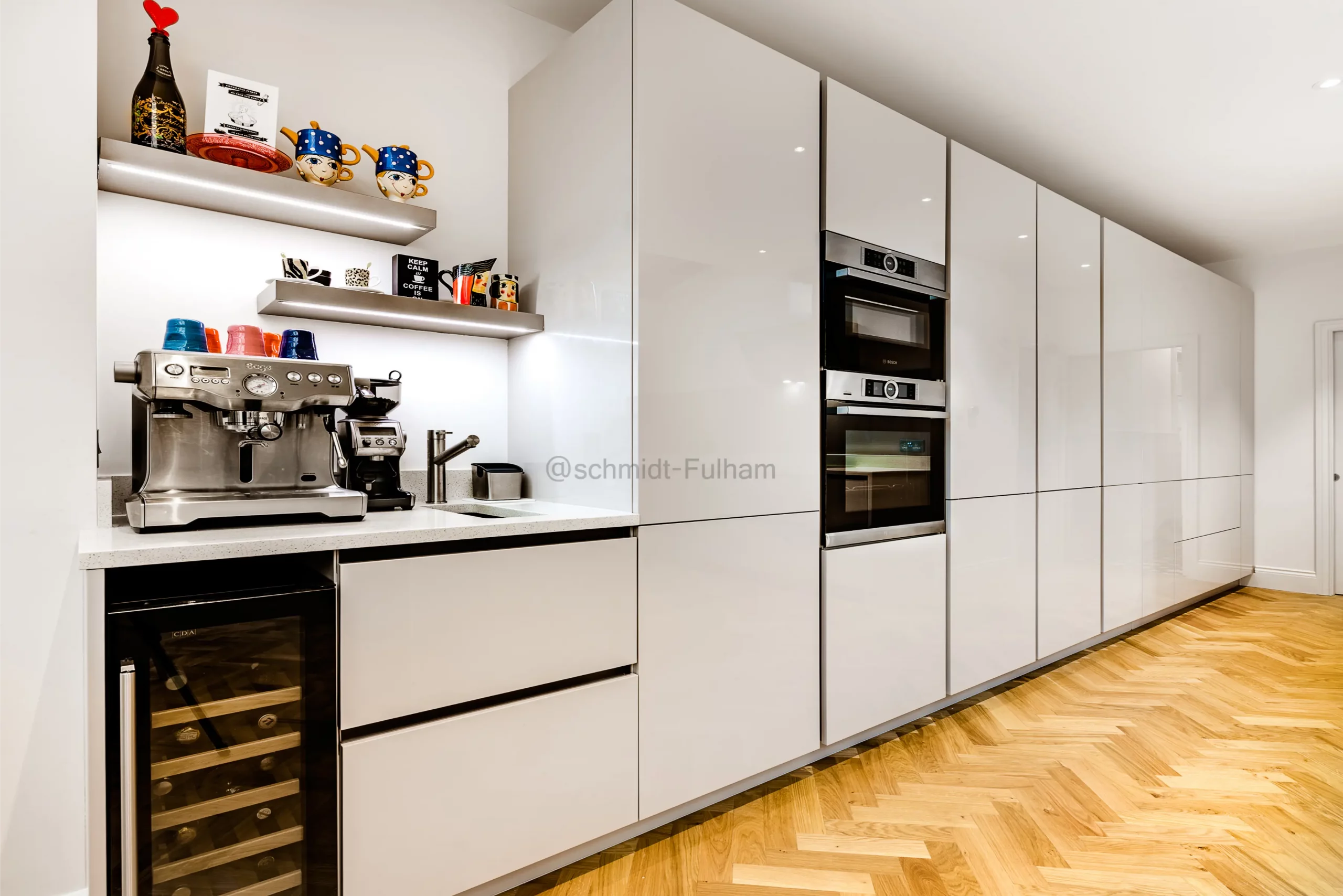
Designing a new kitchen involves much more than choosing cabinets you like. Worktops, finishes, flooring, handles, splashbacks and appliances all contribute to the overall appearance of the room, and each element needs to work well alongside the others. When planning kitchens in Kensington, carefully coordinating these materials can create a space that feels considered, balanced and connected to the wider home. At Schmidt Fulham, we help homeowners bring different design elements together to create kitchens that combine individual style with everyday practicality.
Start With An Overall Design Direction
Before choosing individual materials, it helps to establish how you want the finished kitchen to feel. You might prefer a warm and traditional interior, a clean contemporary space or something that combines elements of both. Having an overall direction makes individual decisions much easier. Instead of choosing a worktop, cabinet colour and flooring separately, you can consider how each choice contributes to the same design. It is also important to consider the surrounding property. The kitchen should feel connected to adjoining dining and living areas, particularly in open-plan homes where several spaces can be visible at once.
Choose Cabinet Finishes Carefully
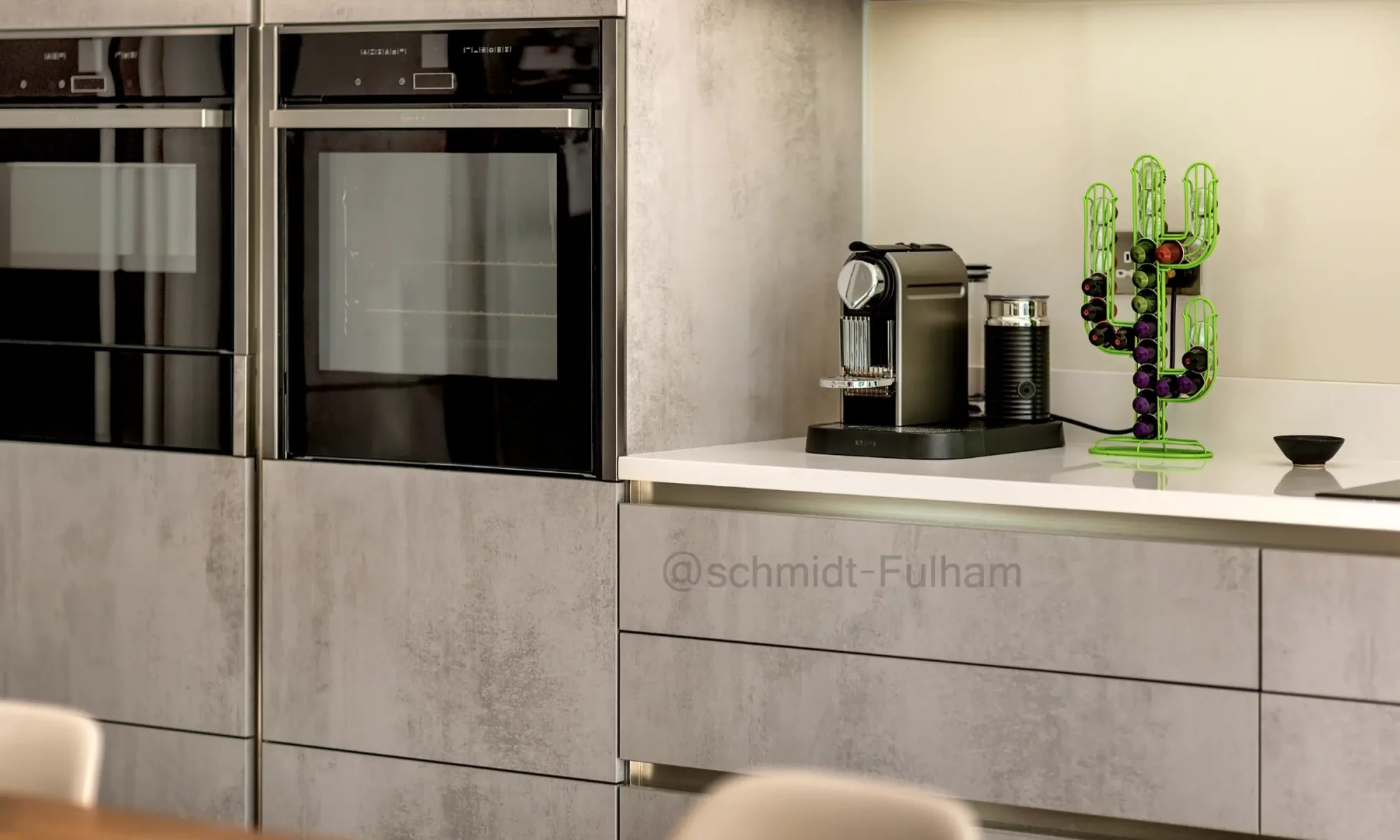
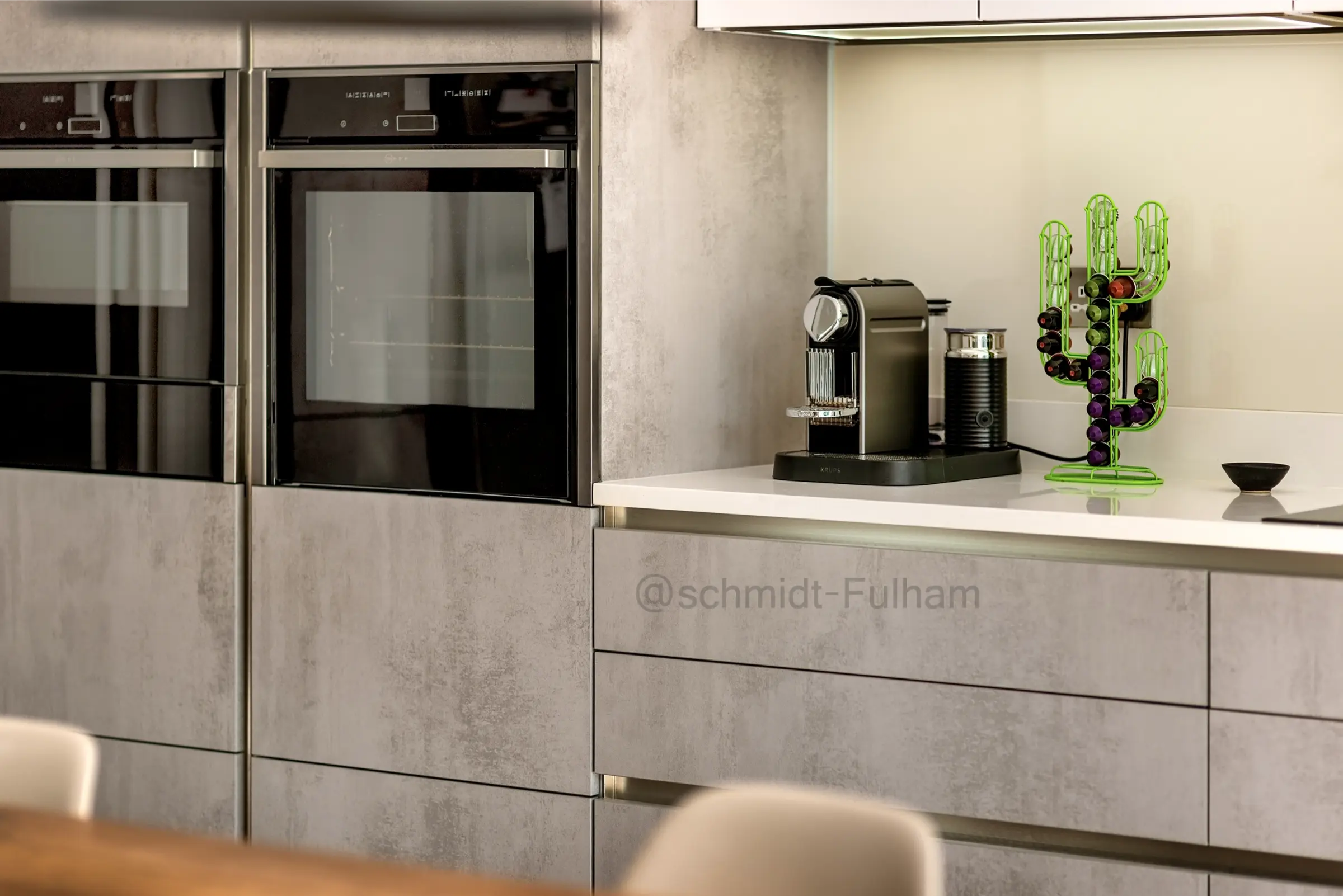
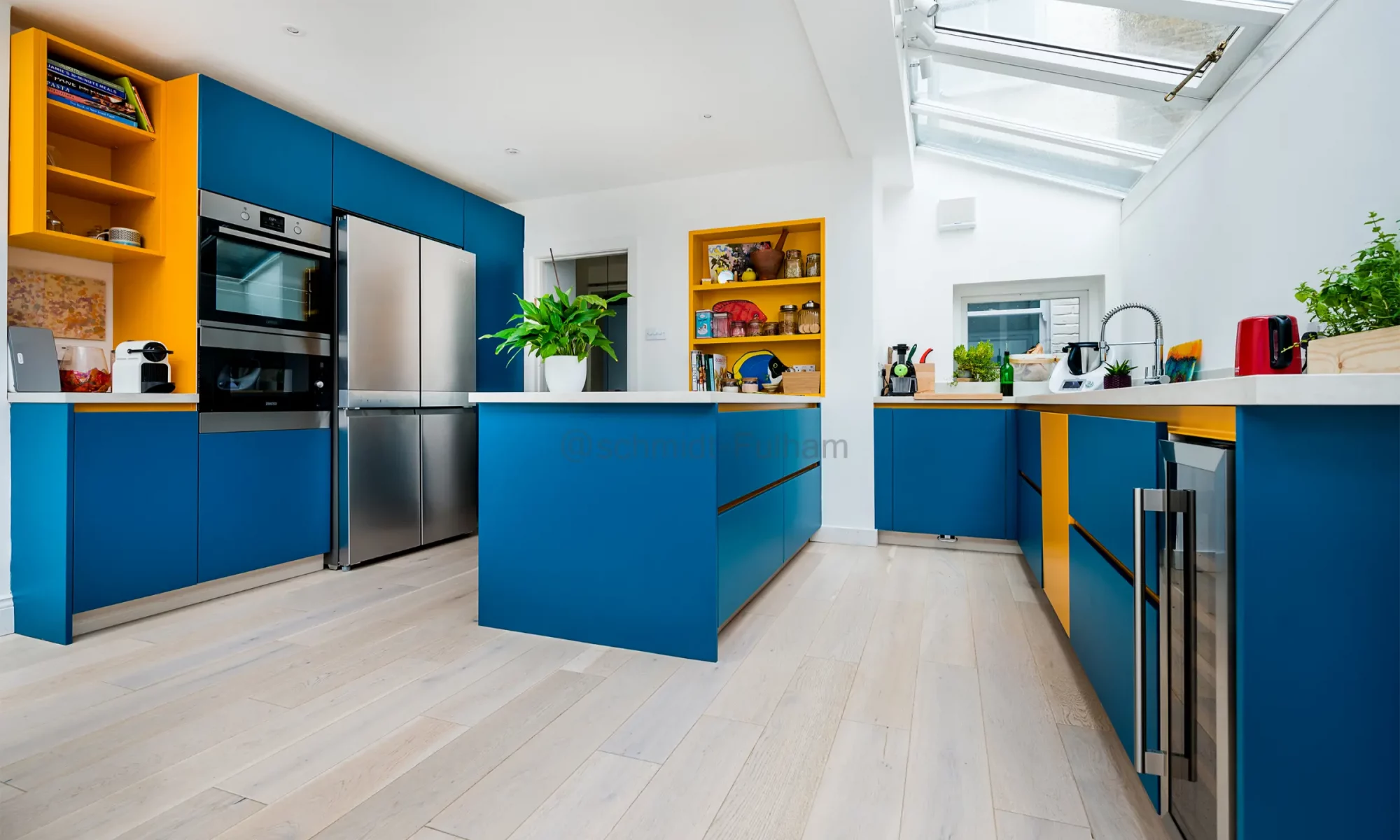
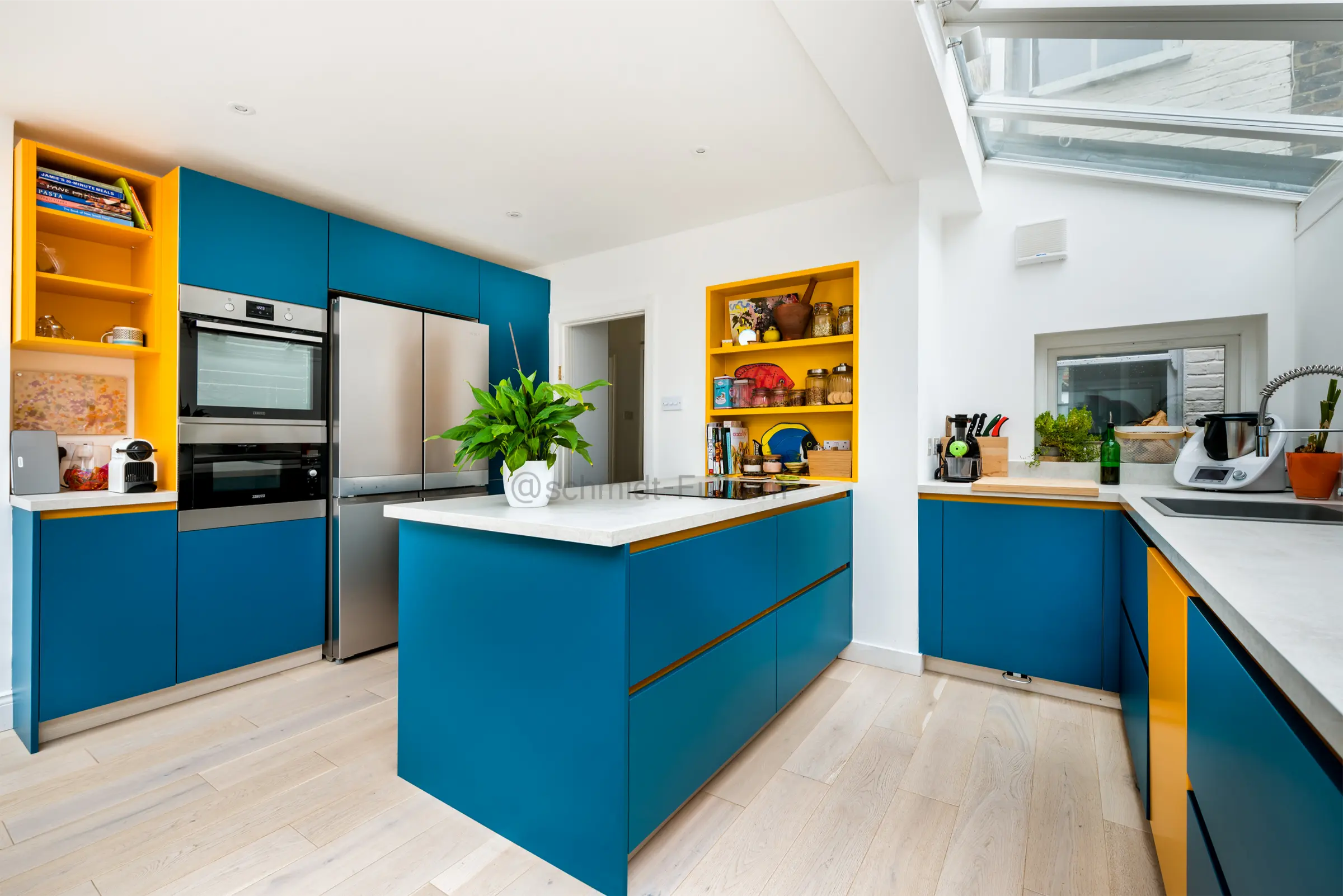
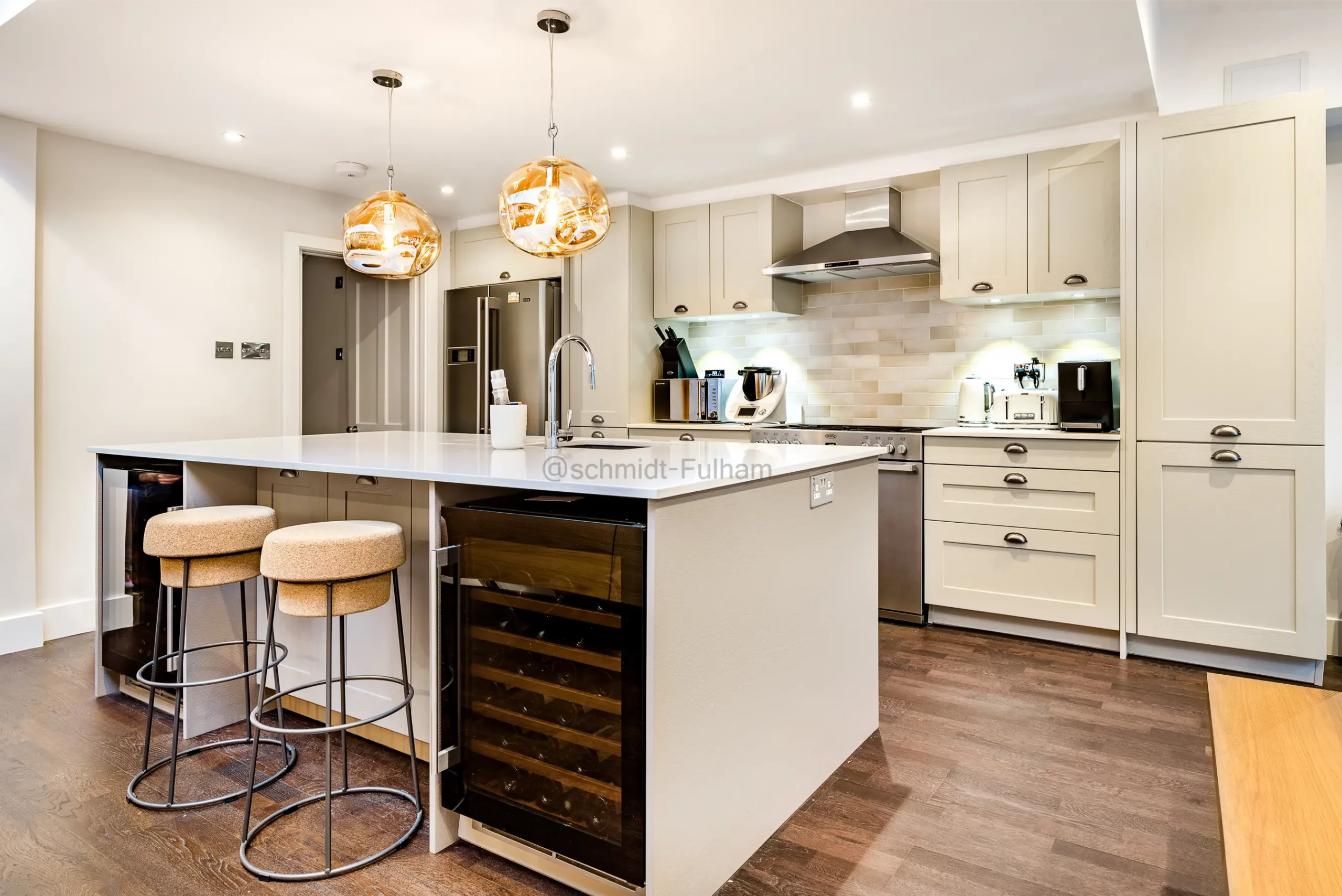
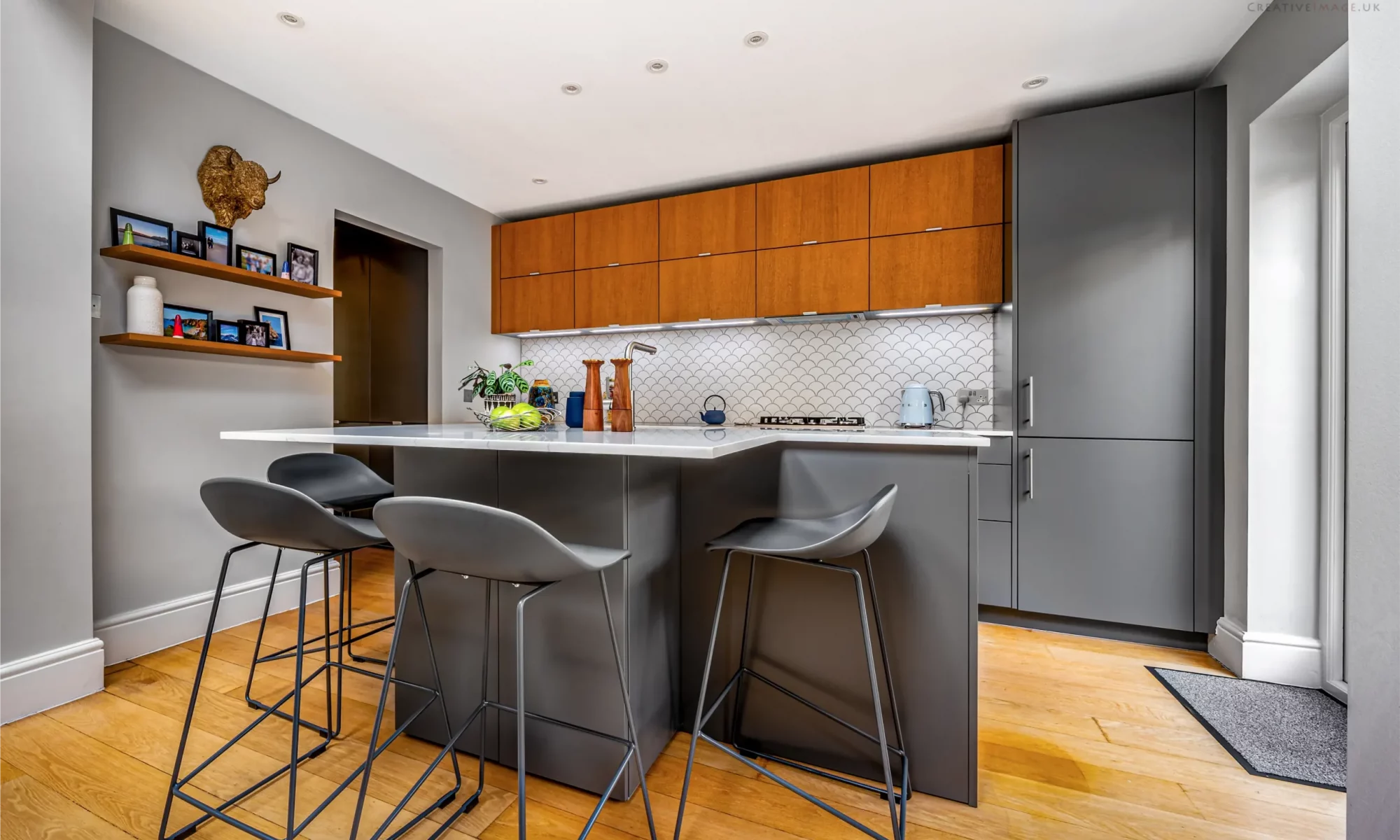
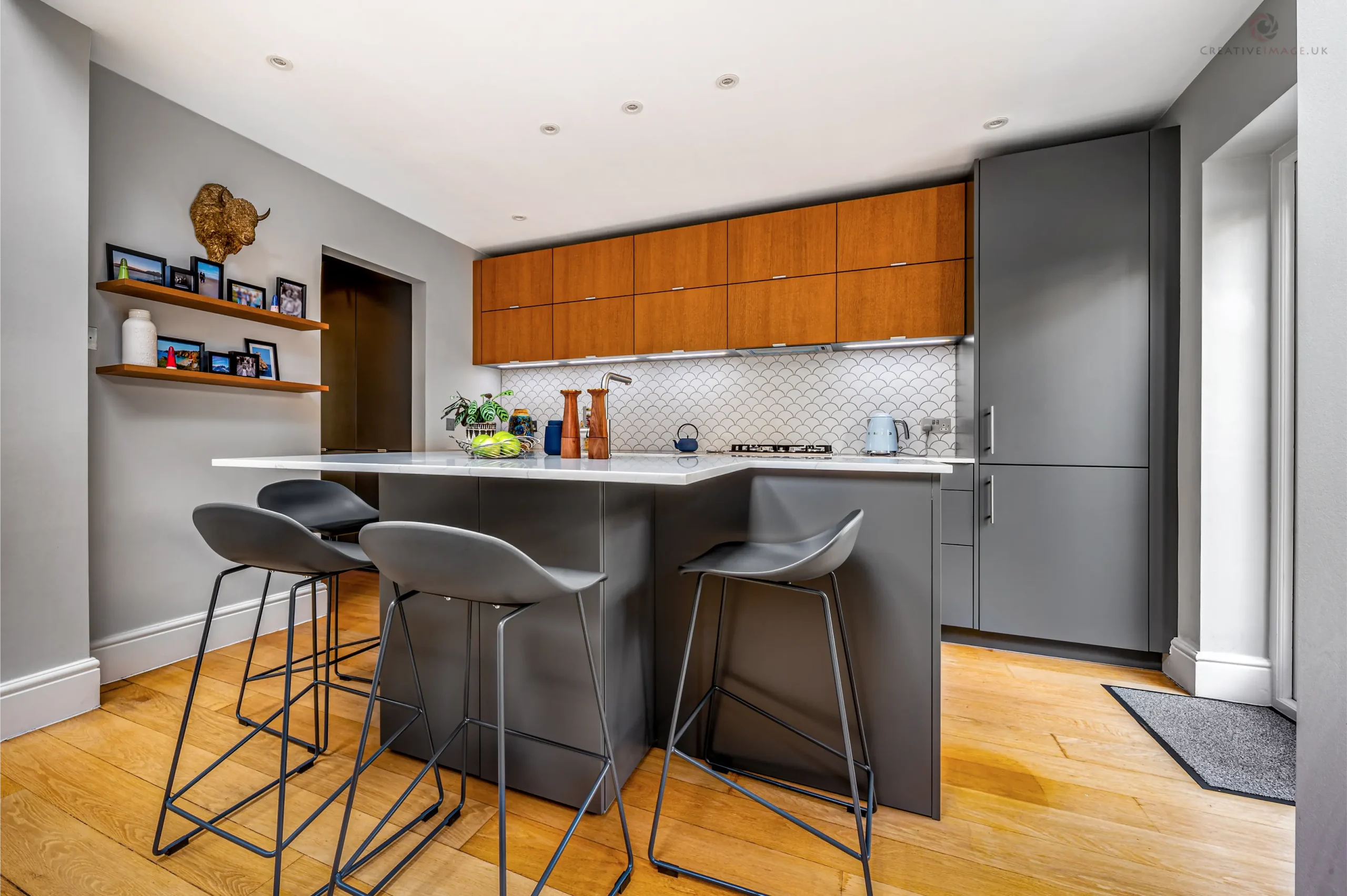
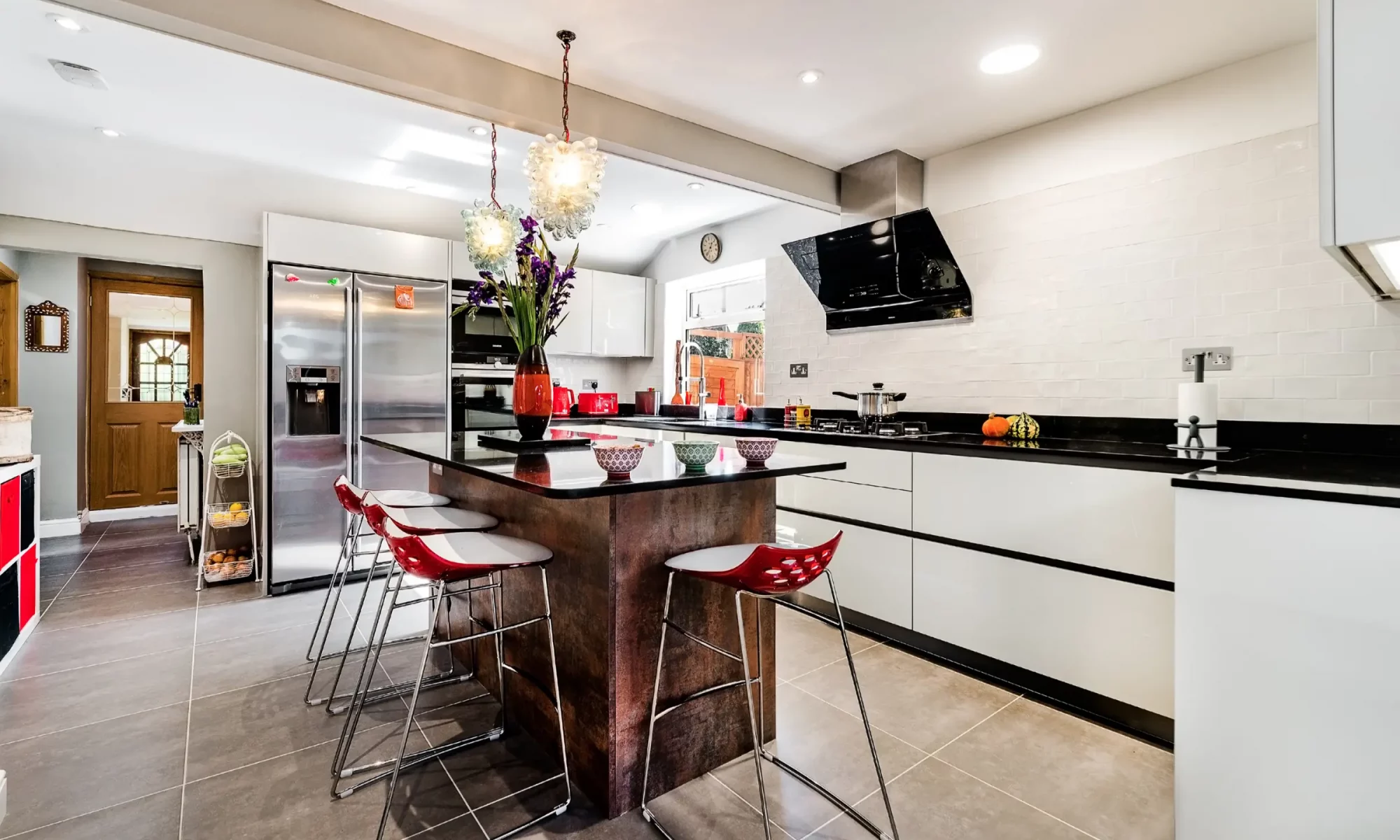
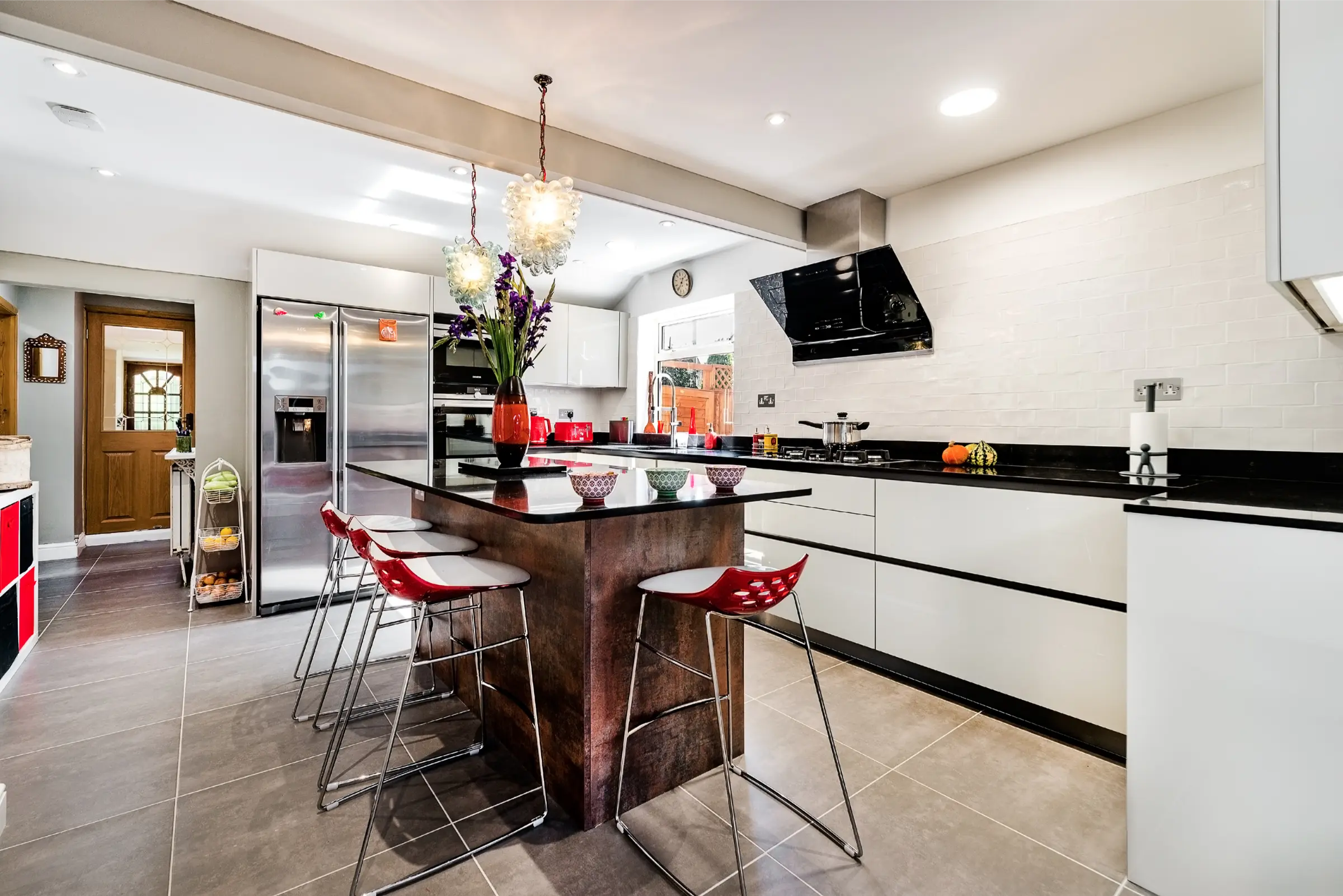
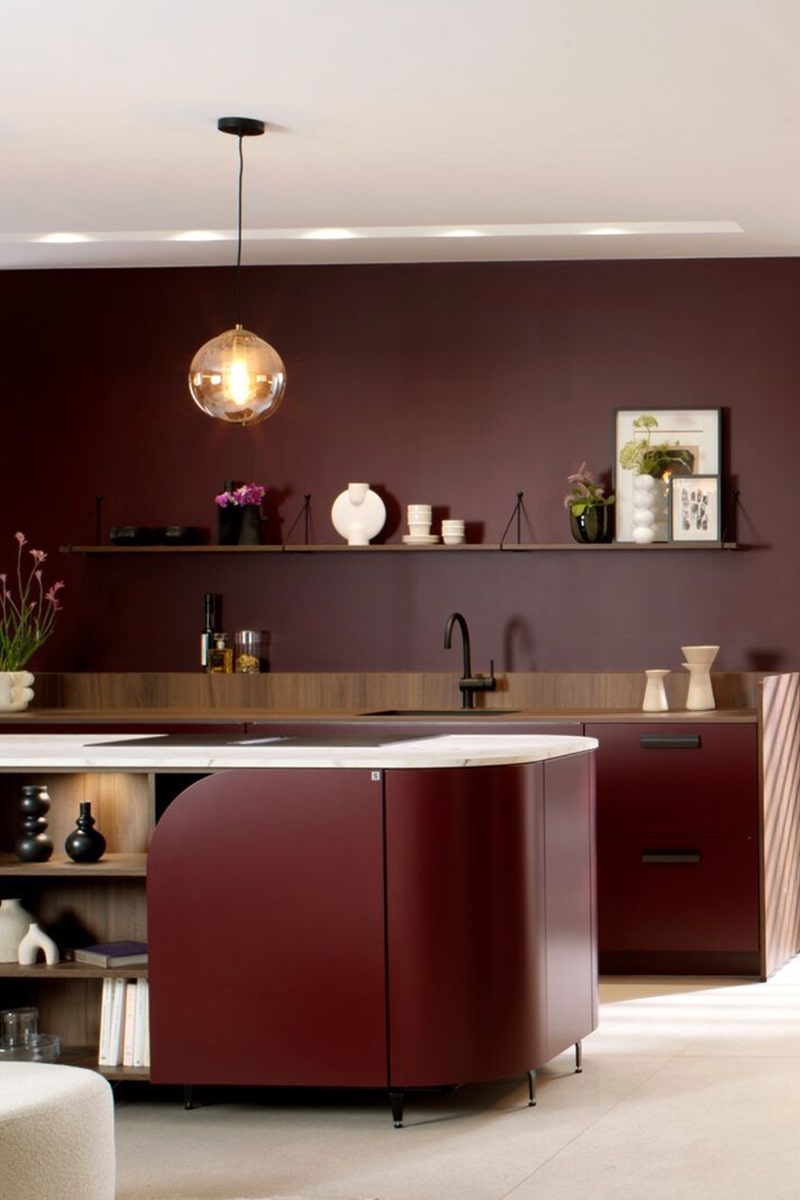
Cabinetry usually occupies a significant amount of visual space, making its finish one of the most influential choices in your kitchen. Matt finishes can create a softer, understated appearance, while gloss surfaces can introduce a cleaner and more contemporary feel. Wood-effect finishes can bring warmth and texture into the room, while neutral cabinetry provides a versatile foundation for other materials. When designing kitchens in Kensington, combining finishes can also create additional character. An island in a contrasting colour or texture, for example, can provide a focal point without making the entire room feel overly busy.
Find A Worktop That Complements Your Cabinetry
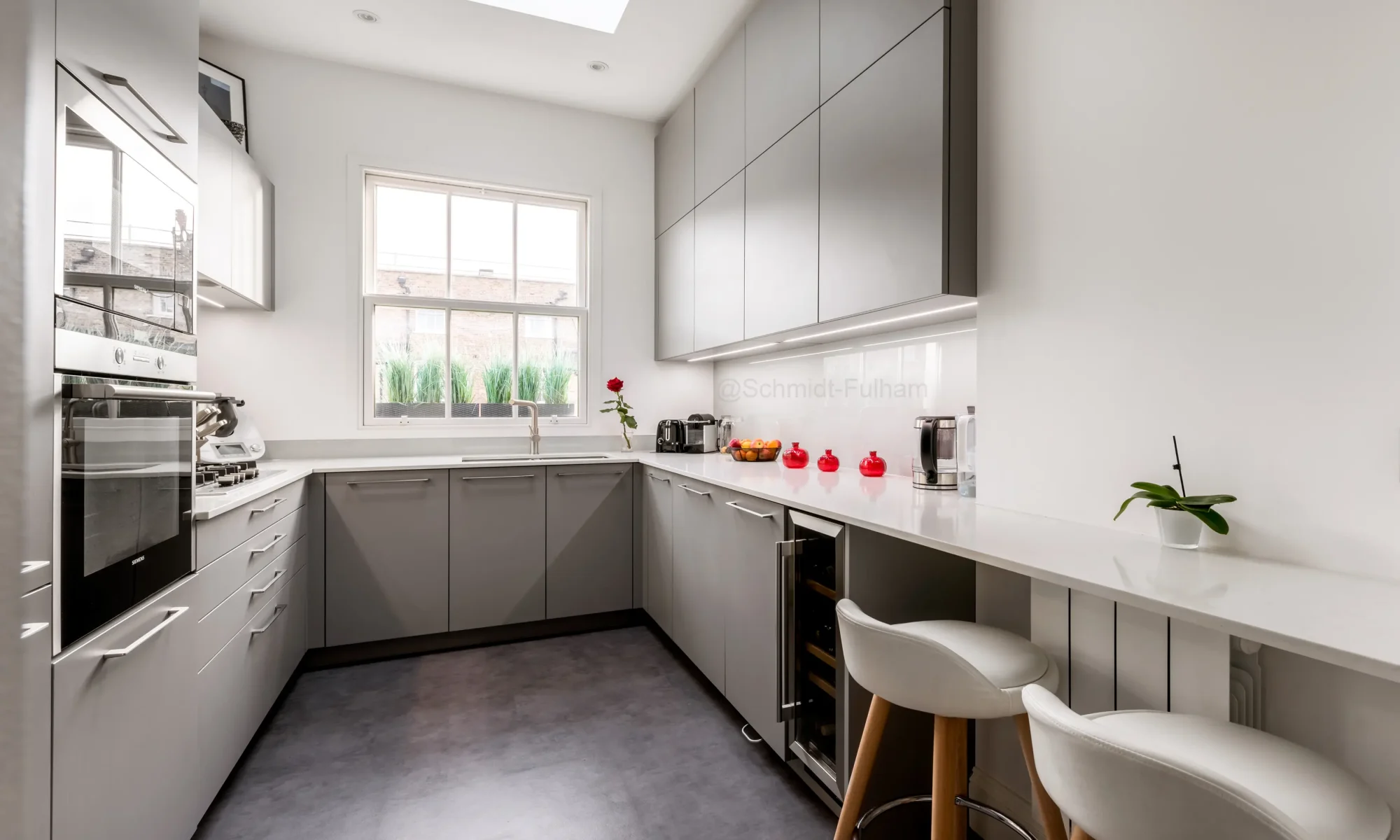
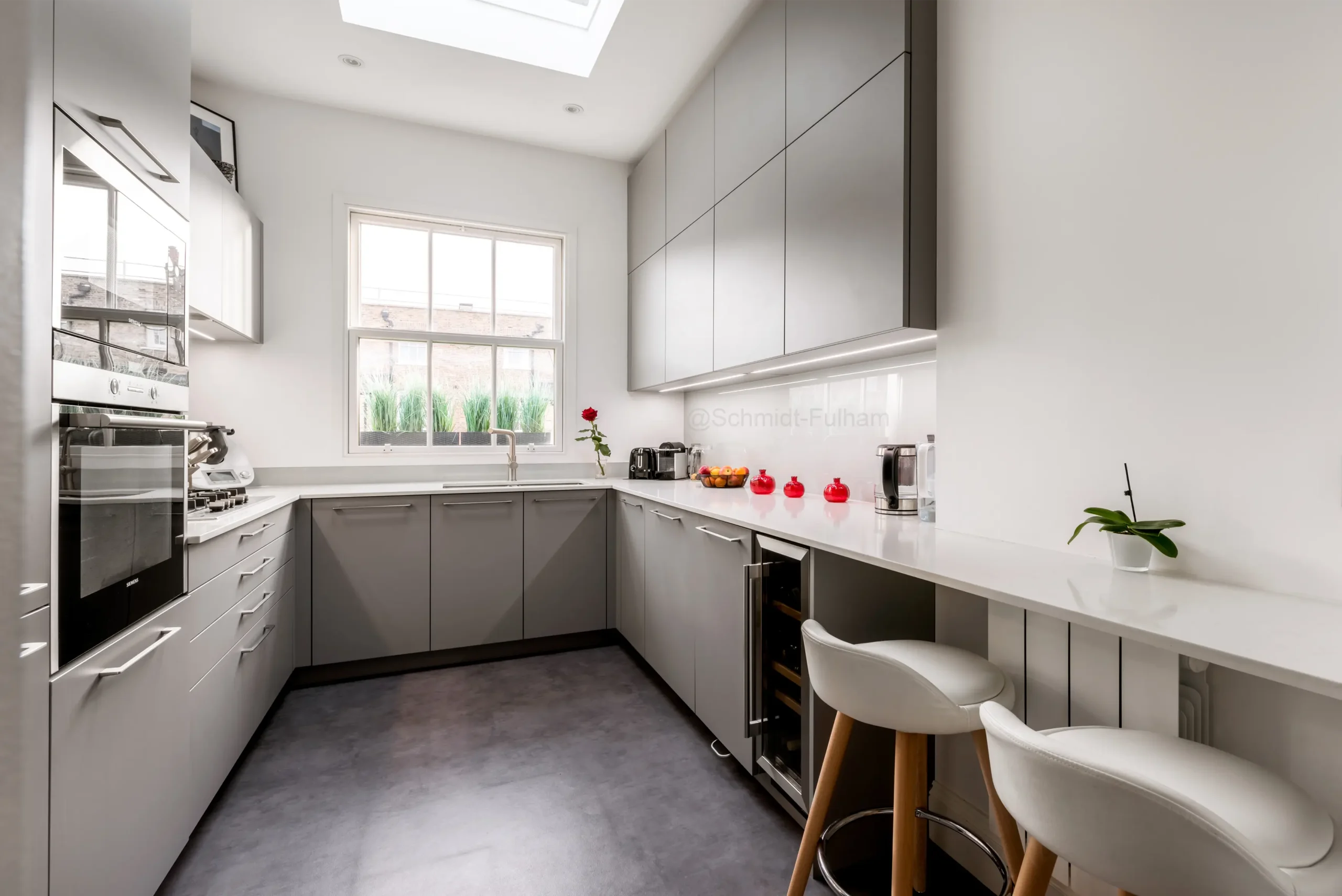
Once you have an idea of your cabinetry, the worktop is another major decision. Rather than viewing it independently, consider the relationship between the two surfaces. A light worktop can provide contrast against darker cabinets, while similar tones can produce a softer, more coordinated appearance. Stone-inspired surfaces can complement both contemporary and traditional cabinetry, making them particularly versatile. The practical requirements of the worktop should also influence your decision. Think about how frequently you cook, how much preparation space you require and the level of maintenance you are comfortable with.
Introduce Contrast Without Overcomplicating The Design
A kitchen doesn’t need every surface to match perfectly. In fact, carefully chosen contrasts can give the room greater depth and personality. Dark cabinetry might be paired with a lighter worktop, while neutral units can be combined with warmer wood textures. Metallic details can also introduce contrast through handles, taps and lighting. The key is repetition. Using the same finish or tone in several areas can help different elements feel connected rather than random.
Consider Your Flooring Early
Flooring is sometimes treated as a finishing decision, but it can have a major influence on the overall appearance of a kitchen. If you have a strongly patterned or textured floor, you may want to keep cabinetry and worktops relatively simple. Alternatively, understated flooring can provide a neutral foundation for more distinctive kitchen finishes. Practicality is equally important. Kitchens experience regular foot traffic, spills and everyday use, so your flooring needs to suit the demands of the space as well as complement its design. For open-plan kitchens in Kensington, continuing the same flooring into adjoining areas can also help create a greater sense of flow.
Coordinate Your Splashback And Worktop
The splashback provides another opportunity to introduce colour, pattern or texture. However, because it sits directly alongside the worktop and cabinetry, these three elements need to work particularly well together. You could continue the worktop material onto the wall for a coordinated appearance or introduce a contrasting splashback to create a feature. If your cabinetry already has plenty of detail, a simpler splashback may provide balance. With more understated cabinets, you may have greater freedom to introduce pattern or texture.
Use Handles And Hardware To Complete The Look
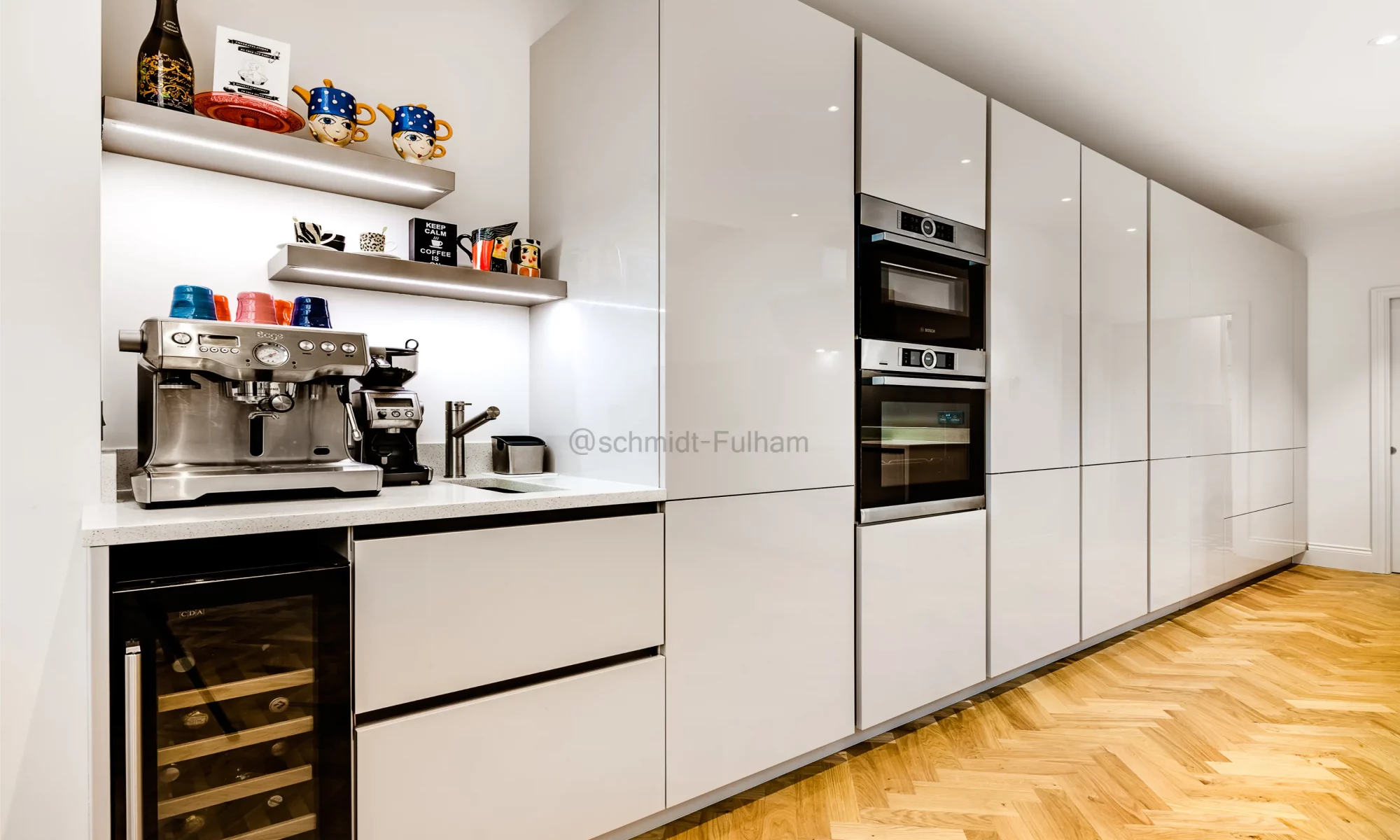
Small details can make a noticeable difference to the finished kitchen. Handles, taps and other hardware can help reinforce your chosen style and bring separate design elements together. Slimline handles can complement contemporary cabinetry, while more traditional styles can add character to framed kitchen doors. Metallic finishes can also be repeated across taps, lighting and accessories to create consistency. Alternatively, handleless cabinetry can create a streamlined appearance where the focus remains on the colours, proportions and materials of the kitchen itself.
Think About Your Appliances
Appliances should also form part of the overall design rather than being considered after the cabinetry has been chosen. Integrated appliances can help maintain clean lines by keeping larger equipment concealed behind coordinated cabinet fronts. Other appliances can be deliberately incorporated into the design, particularly where their finish complements handles, lighting or other details. Planning appliance positions early also helps create a practical layout around the way you cook and use your kitchen every day.
Balance Natural And Contemporary Materials
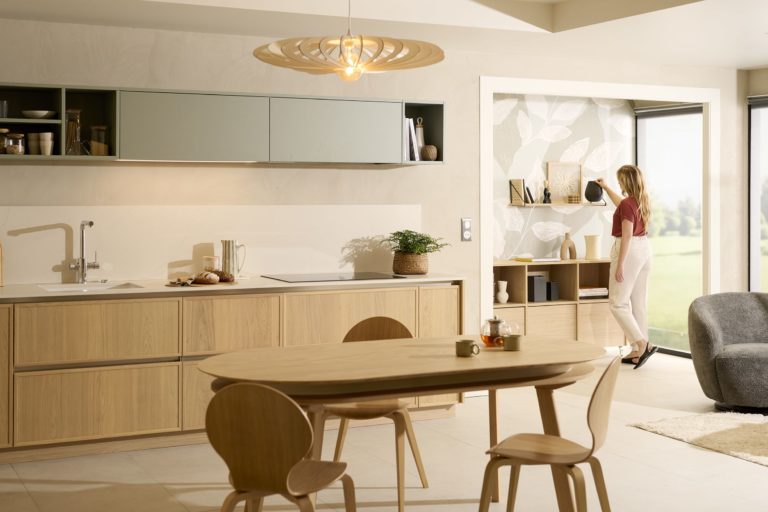
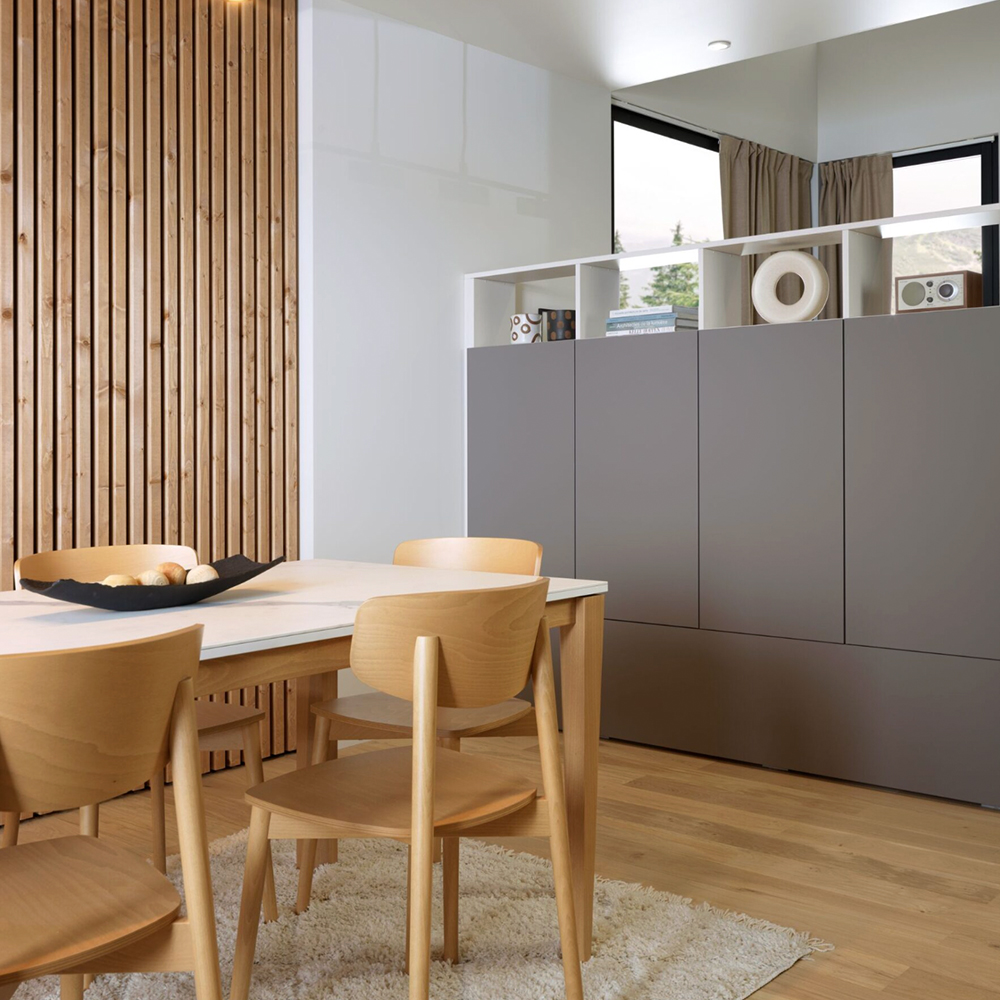
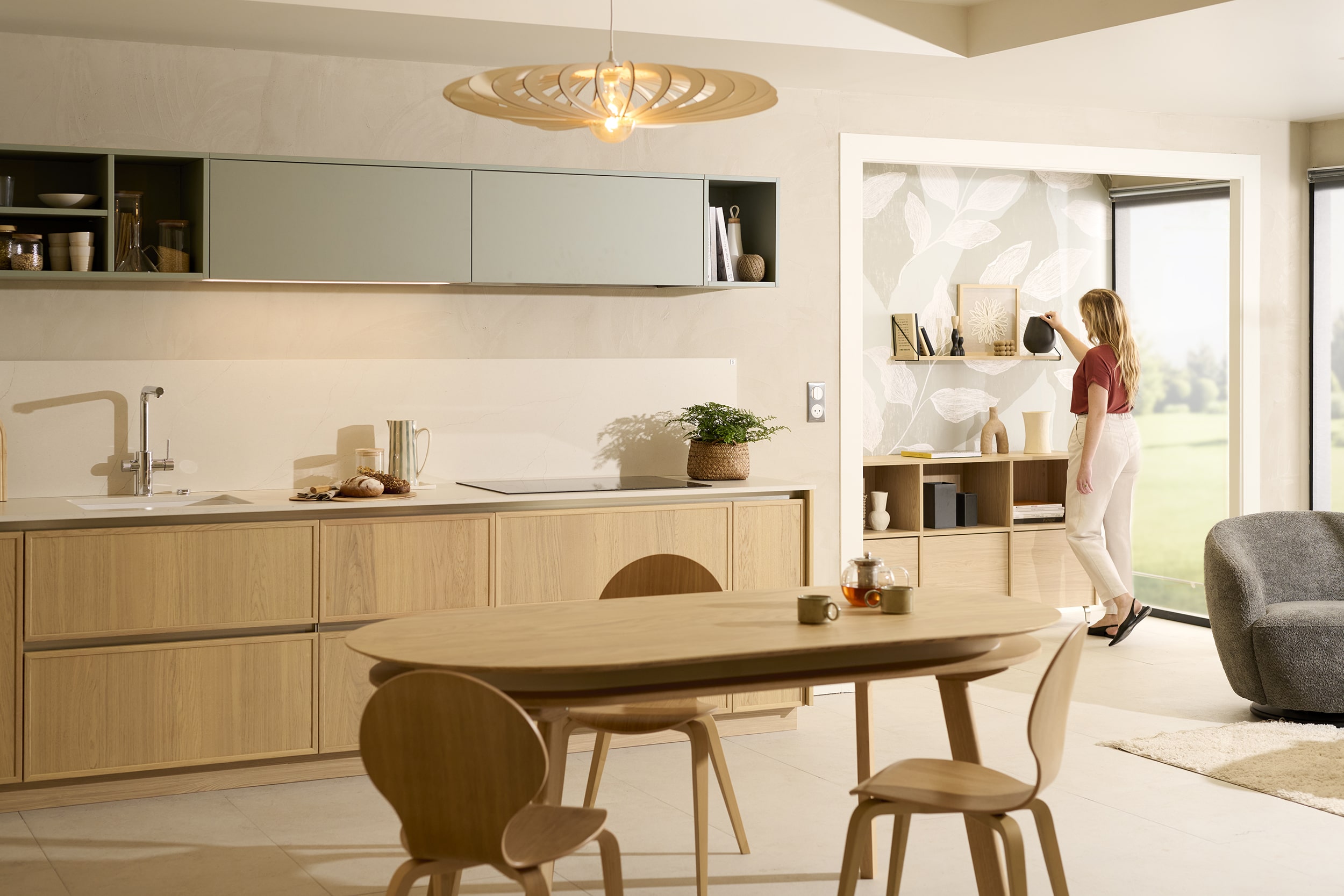
Combining different textures is an effective way to prevent a kitchen from feeling flat. Wood-inspired finishes can introduce warmth, while stone-effect surfaces, glass and metallic details can provide a more contemporary contrast. This combination can work particularly well when you want a kitchen that feels modern without becoming too minimal. At Schmidt Fulham, we can help explore combinations of colours, textures and finishes that complement one another while still allowing individual features to stand out.
Consider Natural And Artificial Light
Materials can look very different depending on the lighting within a room. A cabinet colour that appears one way in bright natural light may feel noticeably different during the evening under artificial lighting. The amount and direction of natural light should therefore be considered when selecting finishes. Darker materials can create depth and drama in the right space, while lighter tones may help brighten rooms with more limited natural light. Lighting can also be used to highlight particular materials, including worktops, display areas and textured cabinetry.
Keep The Wider Home In Mind
A successful kitchen design should feel like part of your home rather than an isolated room. Consider the colours, materials and architectural details already present throughout the property. This doesn’t mean everything needs to match. Instead, subtle connections can create continuity. A timber tone used elsewhere in the home might be reflected within the kitchen, or a particular colour could appear in both cabinetry and surrounding furnishings. This is particularly important for open-plan spaces where the kitchen, dining and living areas need to sit comfortably alongside one another.
Avoid Choosing Everything Based On Trends
Current kitchen trends can provide plenty of inspiration, but your personal preferences should remain central to the design. Major elements such as cabinetry, worktops and flooring are likely to remain in place for many years, so choose materials you genuinely enjoy rather than selecting them purely because they are currently fashionable. More trend-led colours and finishes can always be introduced through smaller elements that are easier to update in the future.
Designing Kitchens in Kensington With Schmidt Fulham
Choosing materials that work together is about finding the right balance between colour, texture, practicality and personal style. From cabinetry and worktops to flooring, splashbacks and finishing details, every choice contributes to how the completed room looks and feels. At Schmidt Fulham, we help homeowners planning kitchens in Kensington explore different materials, finishes and combinations to create a design suited to their property and lifestyle. With careful consideration of each element, your kitchen can feel coordinated and distinctive while remaining practical for everyday use. Book a free design consultation today.